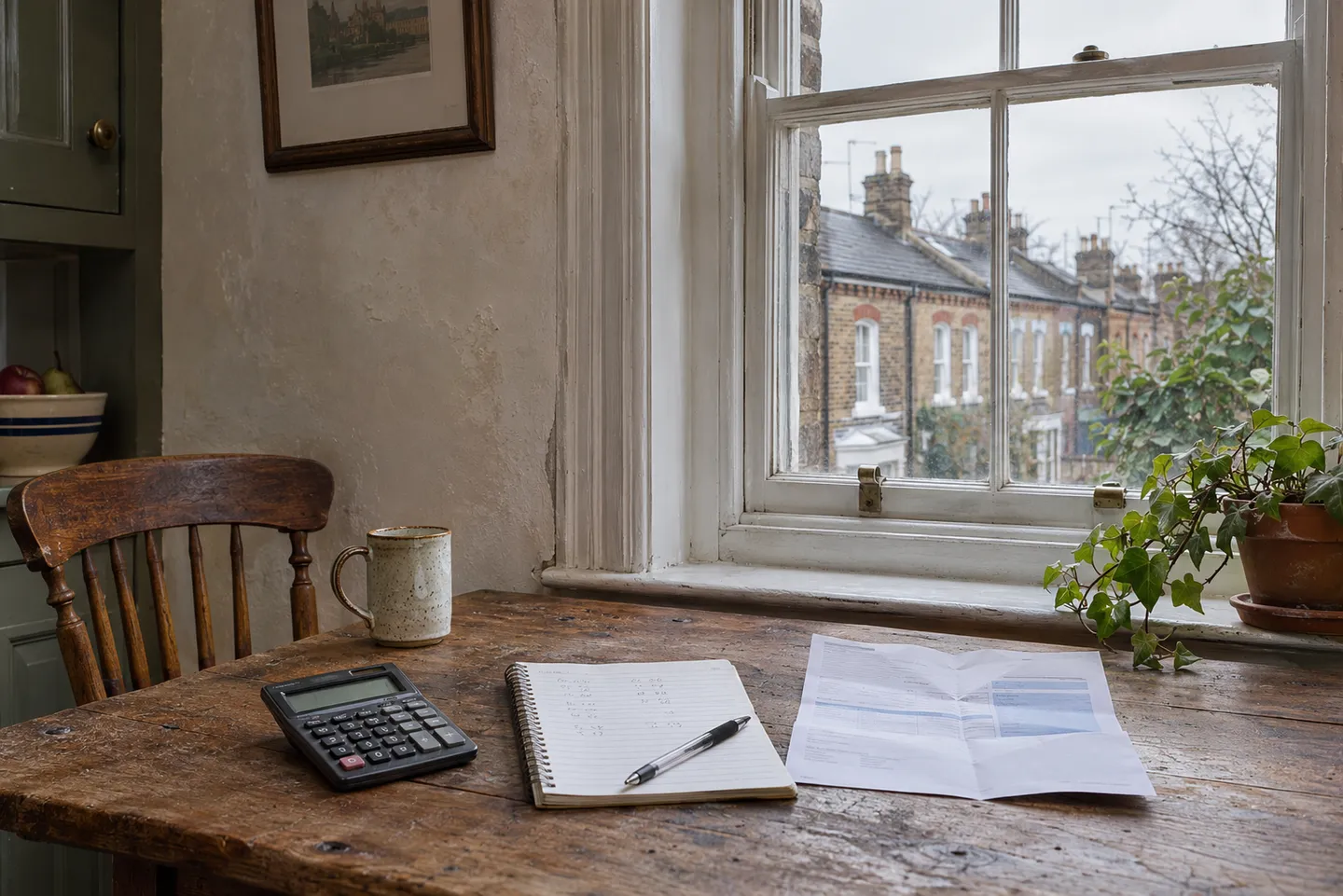
01 / Bills & meter readings
Understanding energy bills in an older home
Separate energy use from tariff prices, check your meter readings and work out what your older home actually costs to run.
Read the guide ↗ Energy Heritage
A practical guide to older homes
Get to know your home’s energy use, make sense of the bills, and plan changes that respect the building.
Find your starting point ↗For the draughty terraces, solid walls and sash windows we call home.
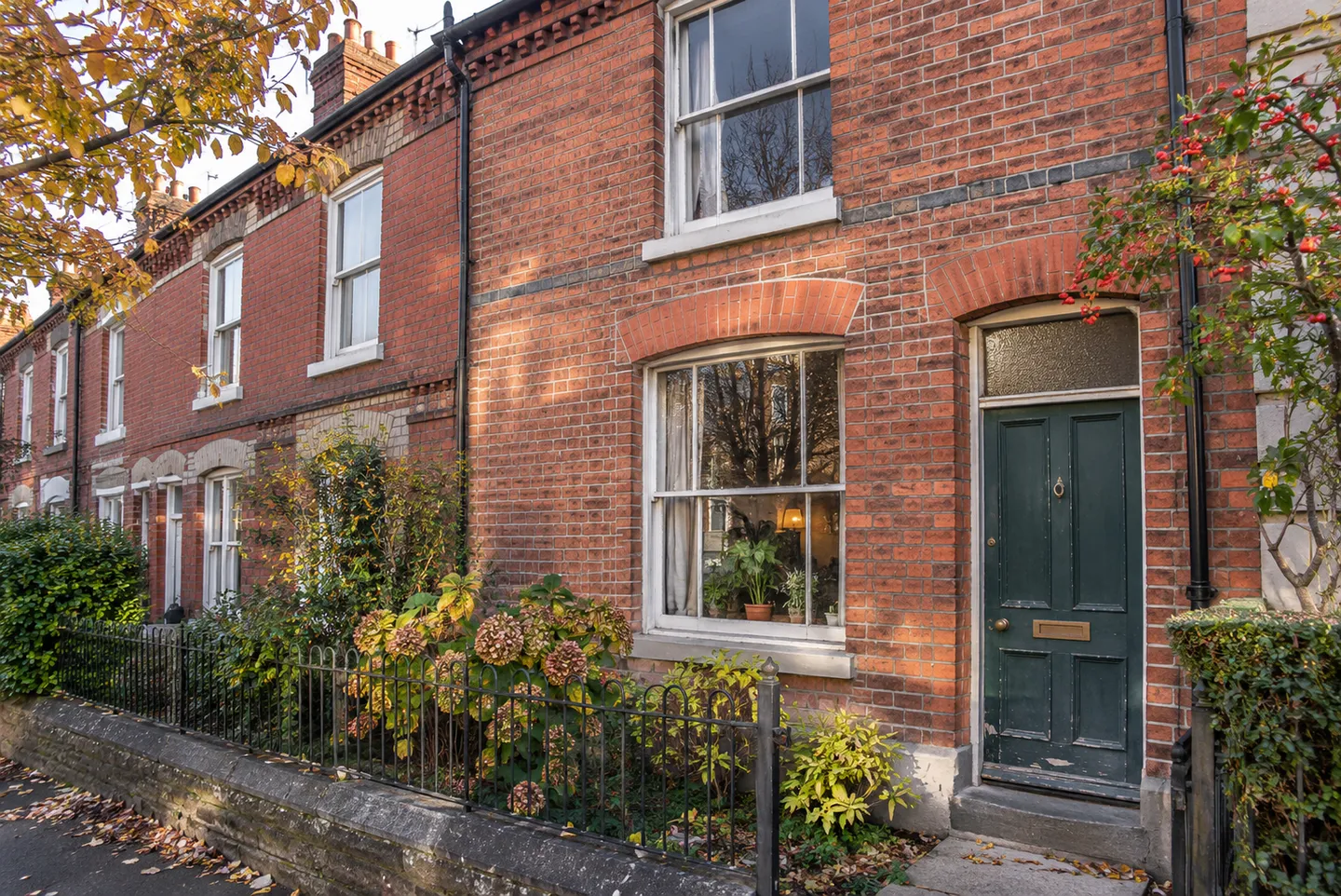
Understand first.
Improve with care.
Your tariff, the way you heat each room and the condition of the building all matter. Start by measuring what you use. Then work out which changes are worth investigating.
The field notes
01 / Bills & meter readings
Separate energy use from tariff prices, check your meter readings and work out what your older home actually costs to run.
Read the guide ↗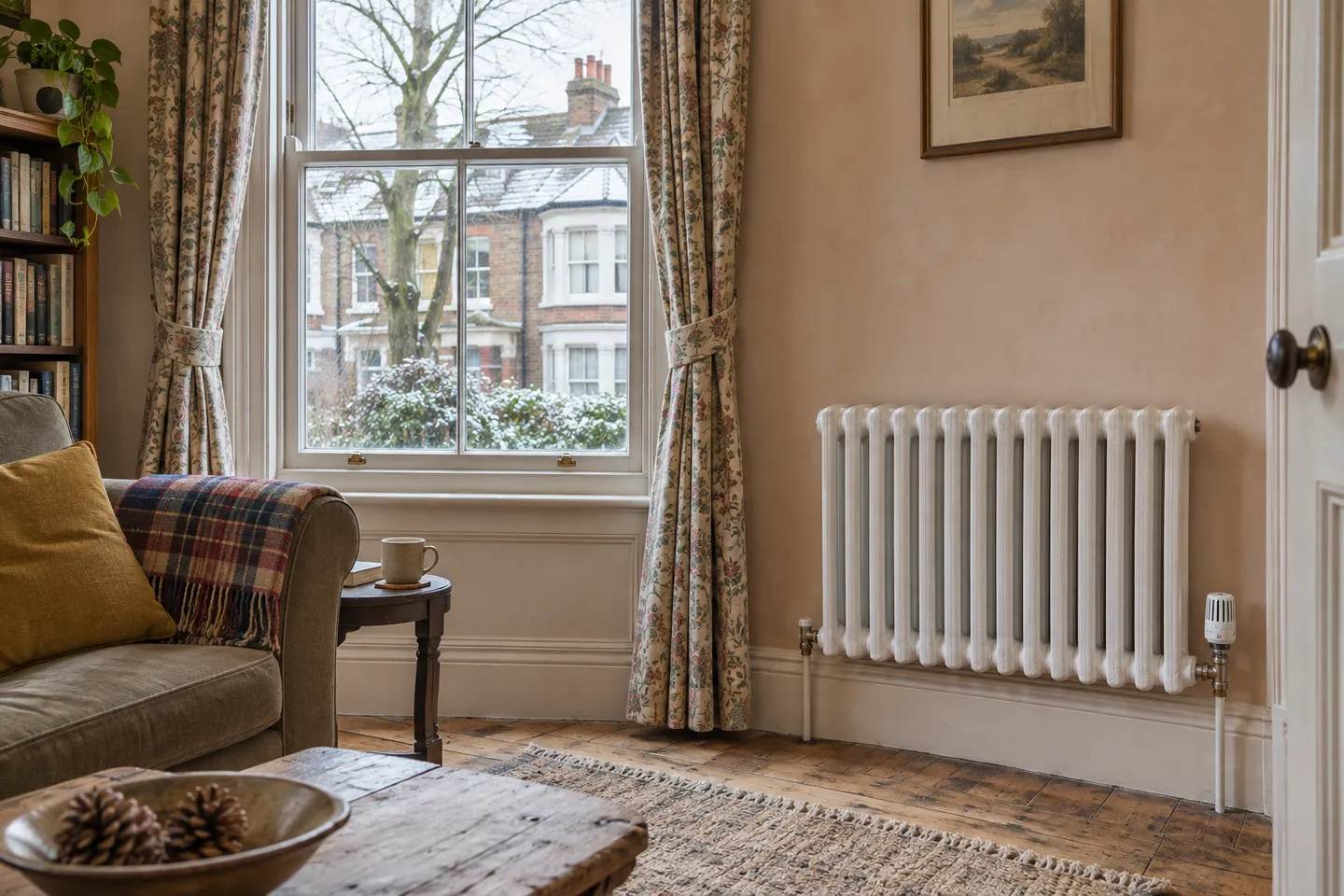
02 / Heating & comfort
A practical starting point for understanding heating use, room controls and running costs in a traditional home.
Read the guide ↗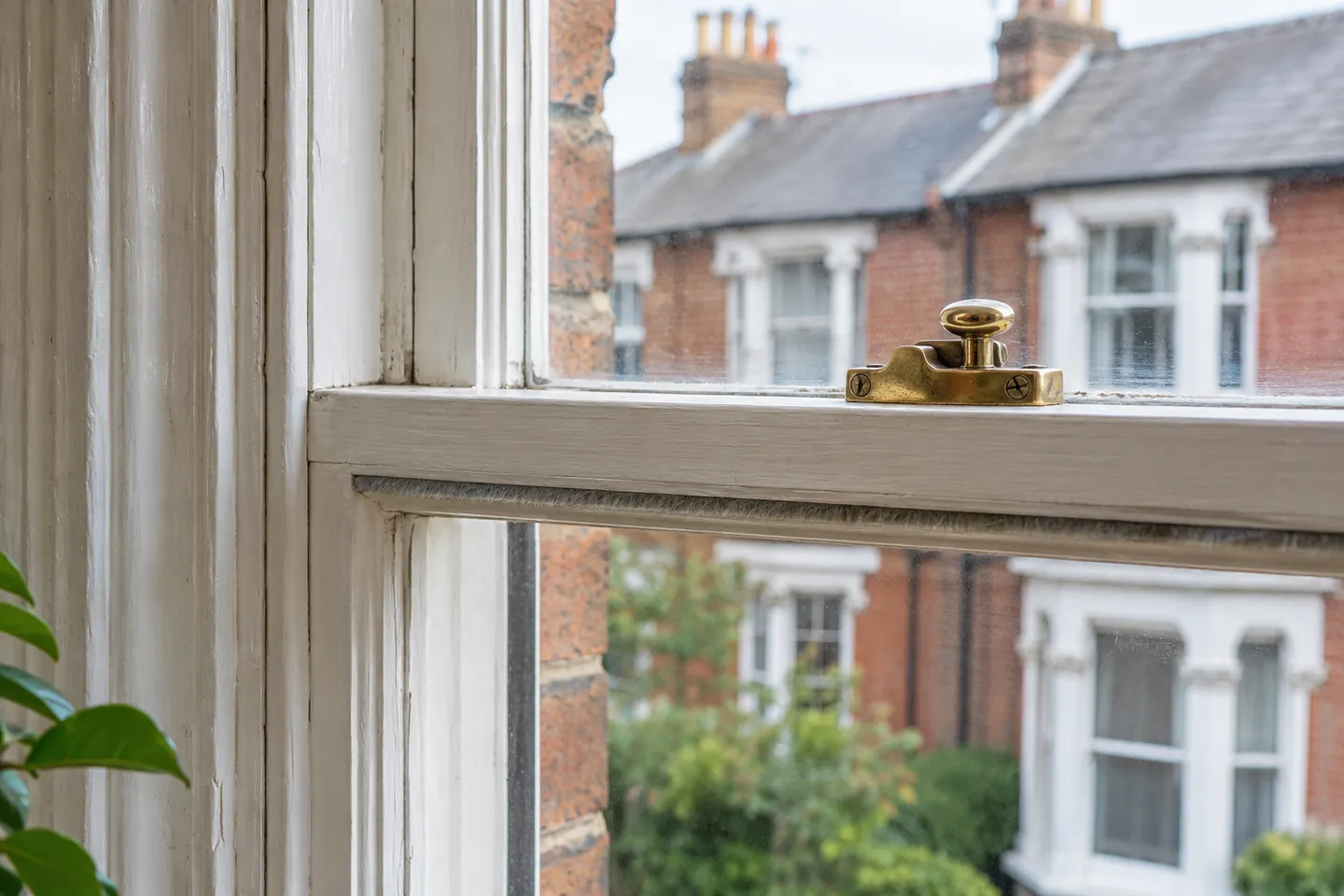
03 / Fabric & ventilation
Find unwanted draughts, distinguish them from deliberate ventilation and plan careful improvements to an older home.
Read the guide ↗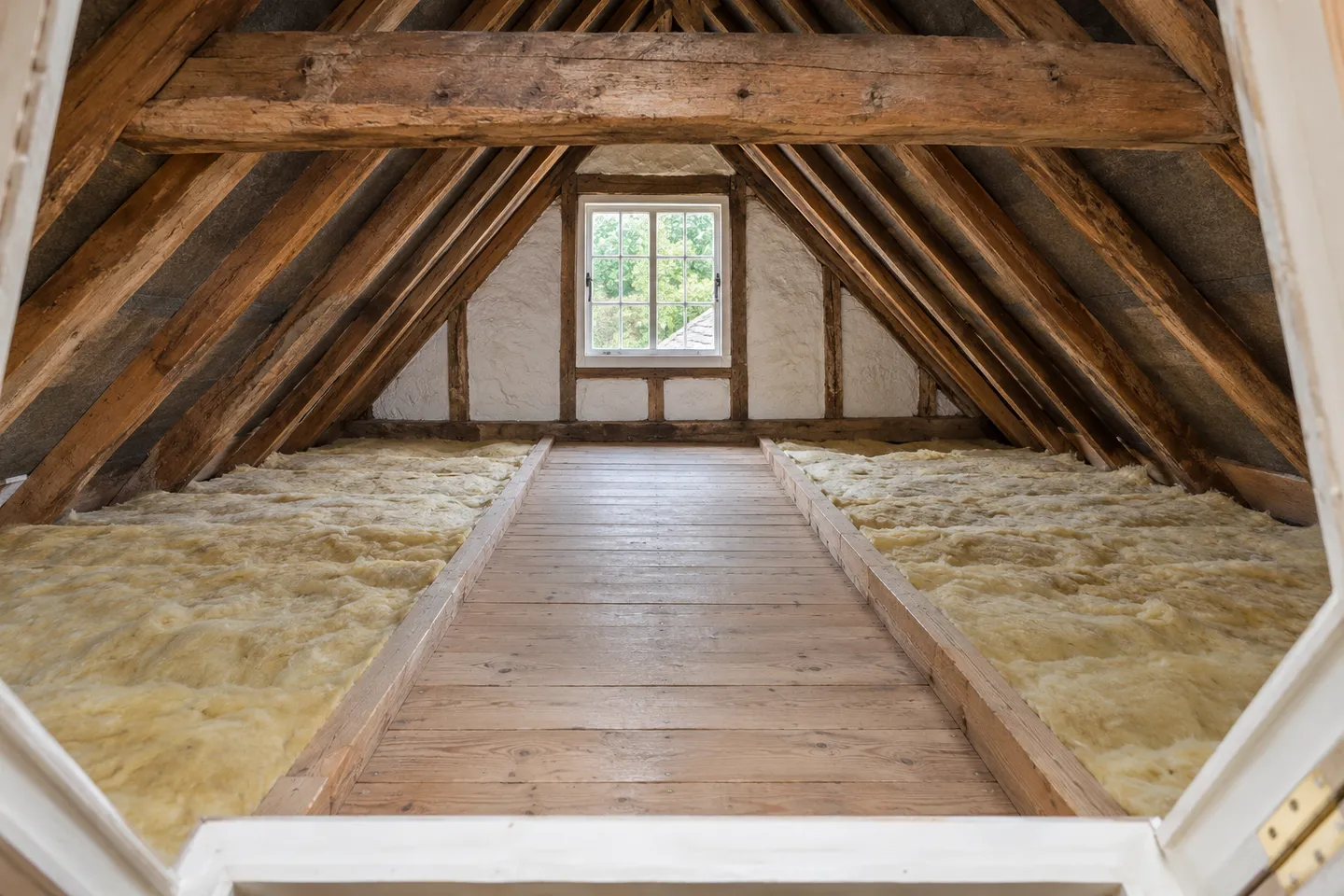
04 / Insulation & repairs
Check roof condition, ventilation, storage and access before adding loft insulation to an older home.
Read the guide ↗
05 / Windows & comfort
Understand secondary glazing, window access, condensation and quotation details before upgrading traditional sash windows.
Read the guide ↗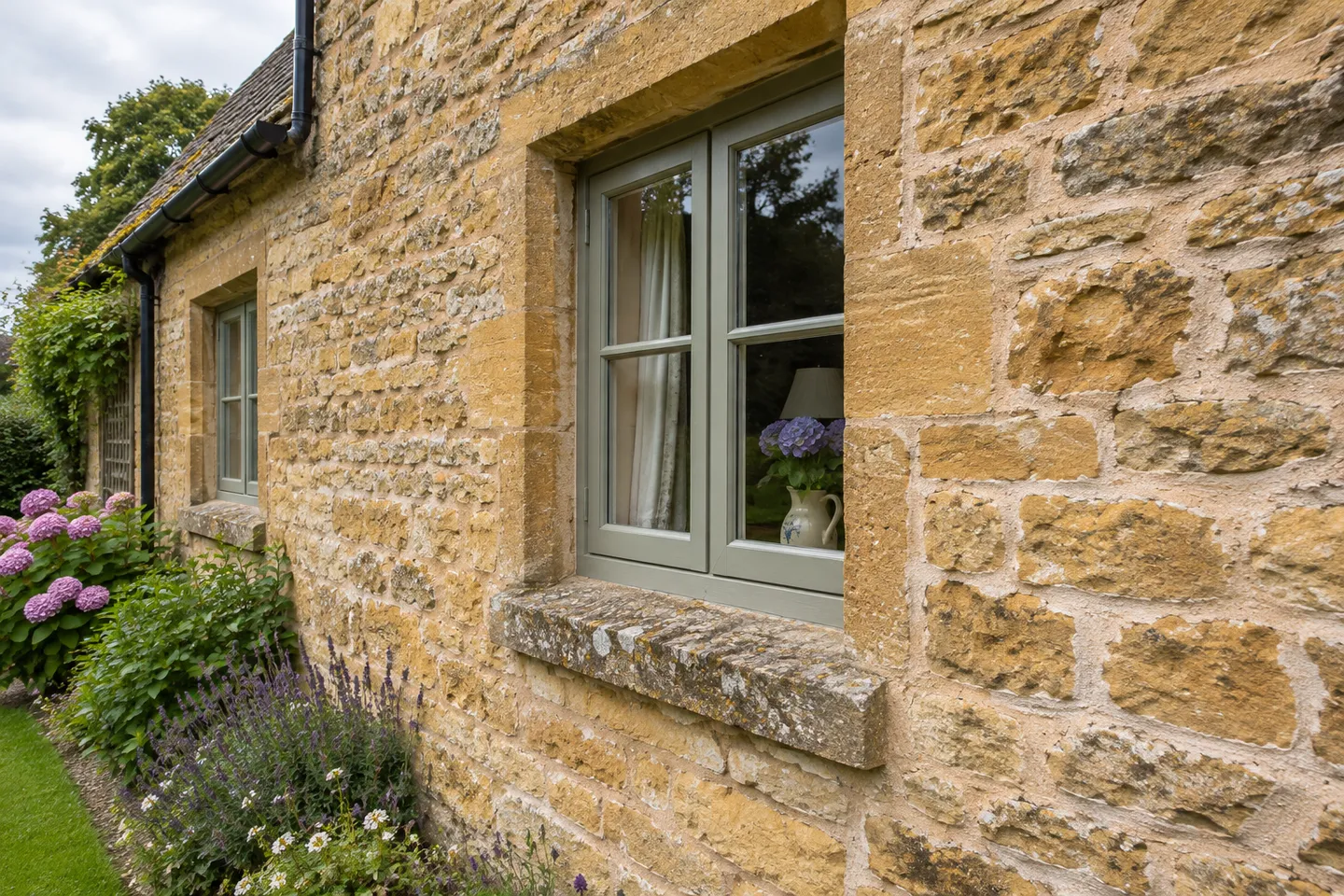
06 / Insulation & repairs
Understand the questions around moisture, internal and external insulation, detailing and quotes for traditional solid walls.
Read the guide ↗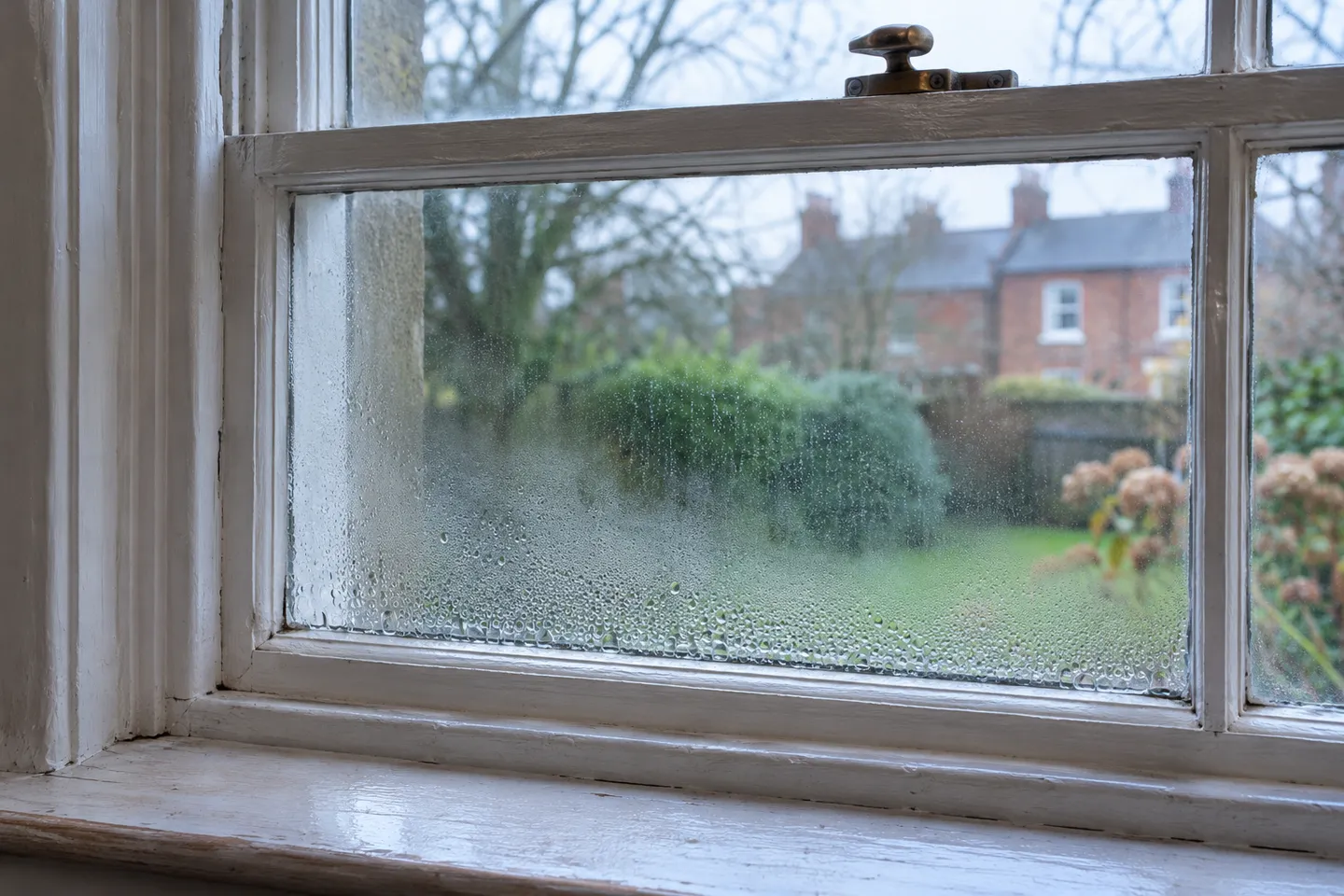
07 / Fabric & ventilation
Record moisture problems, understand the limits of quick diagnoses and prepare for a useful damp investigation in an older home.
Read the guide ↗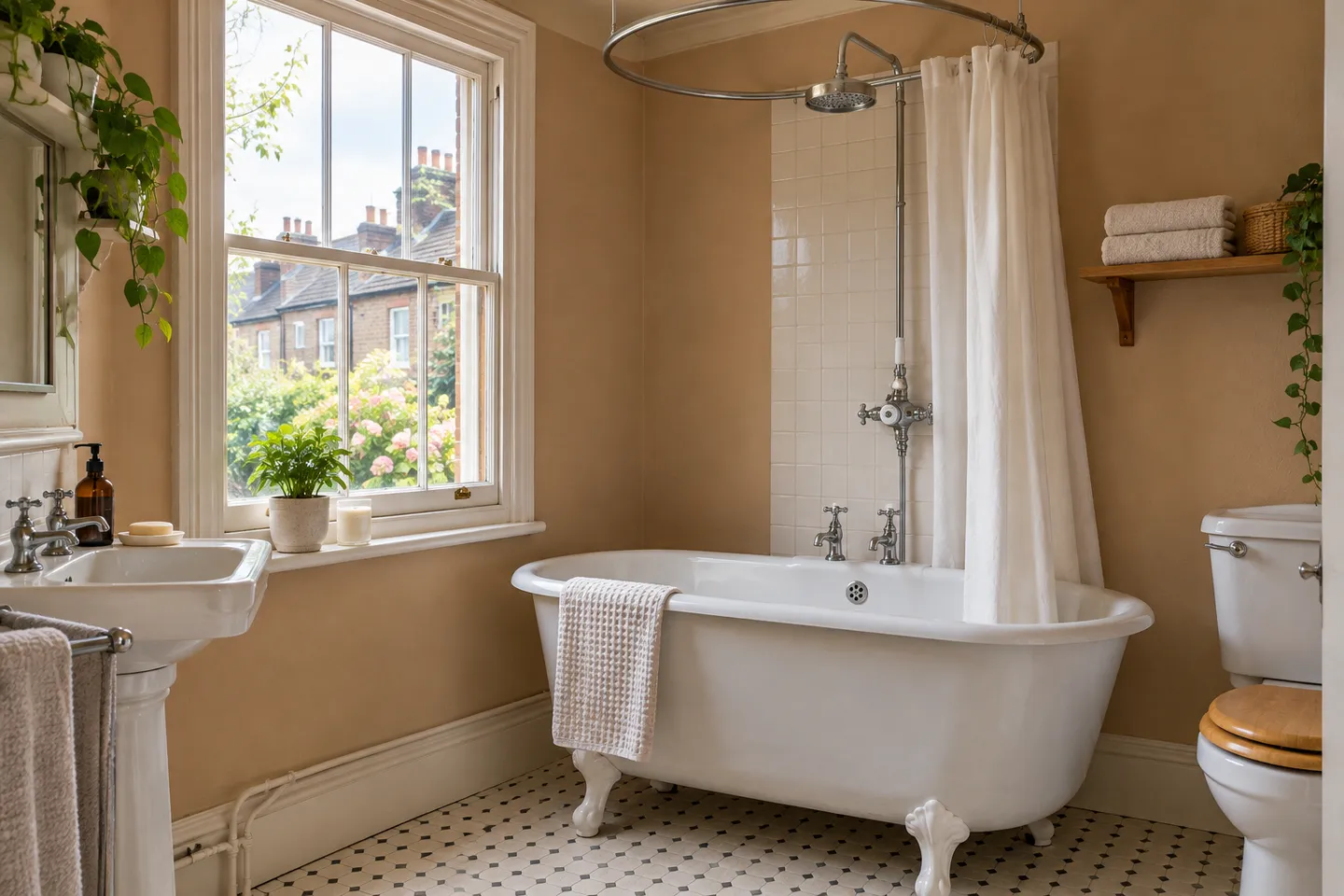
08 / Heating & comfort
Identify how your hot water is heated, check schedules and understand the cost of immersion heaters without compromising safe operation.
Read the guide ↗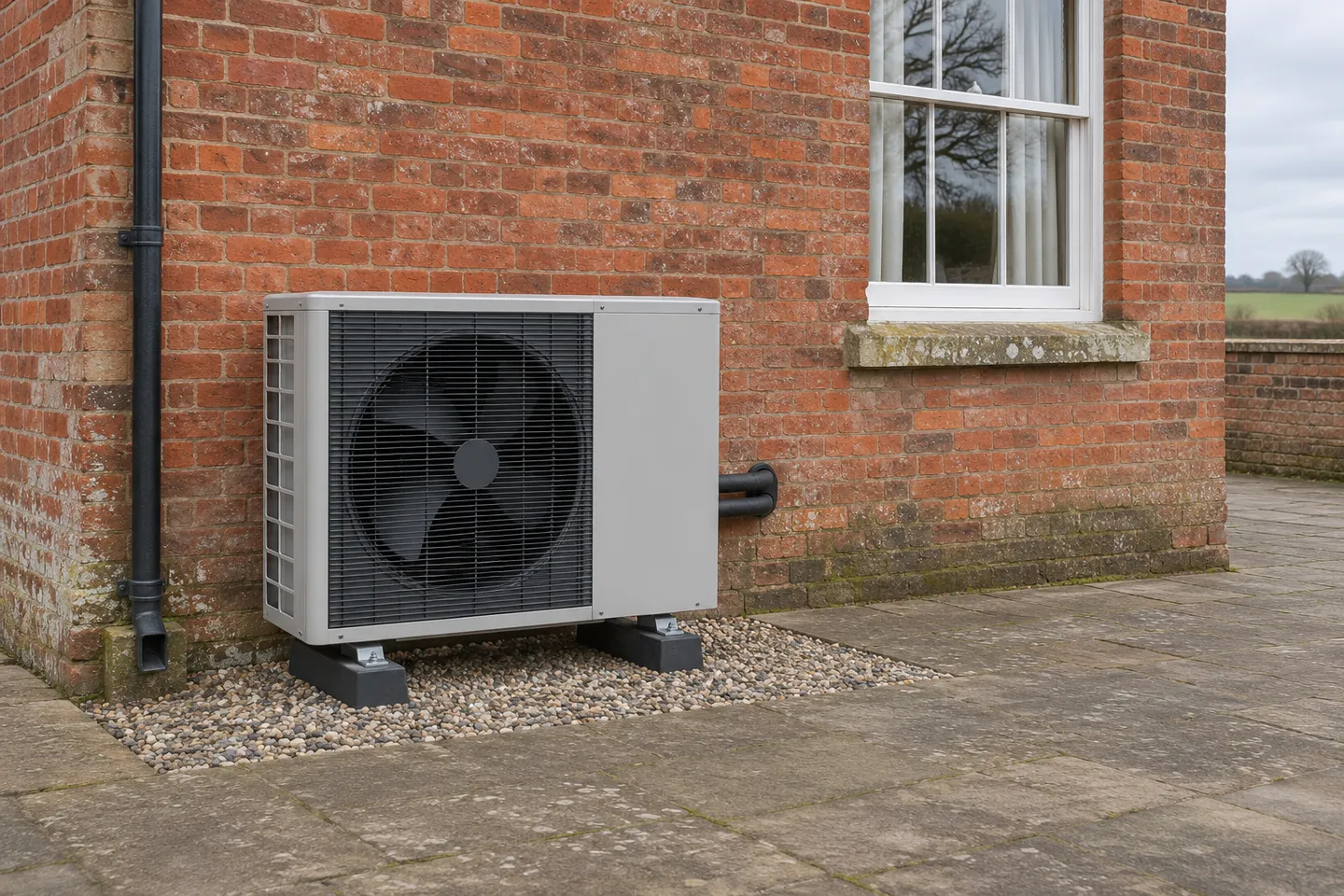
09 / Heating & comfort
Look beyond a home’s age when considering a heat pump: heat loss, radiators, hot water, siting and running-cost assumptions all matter.
Read the guide ↗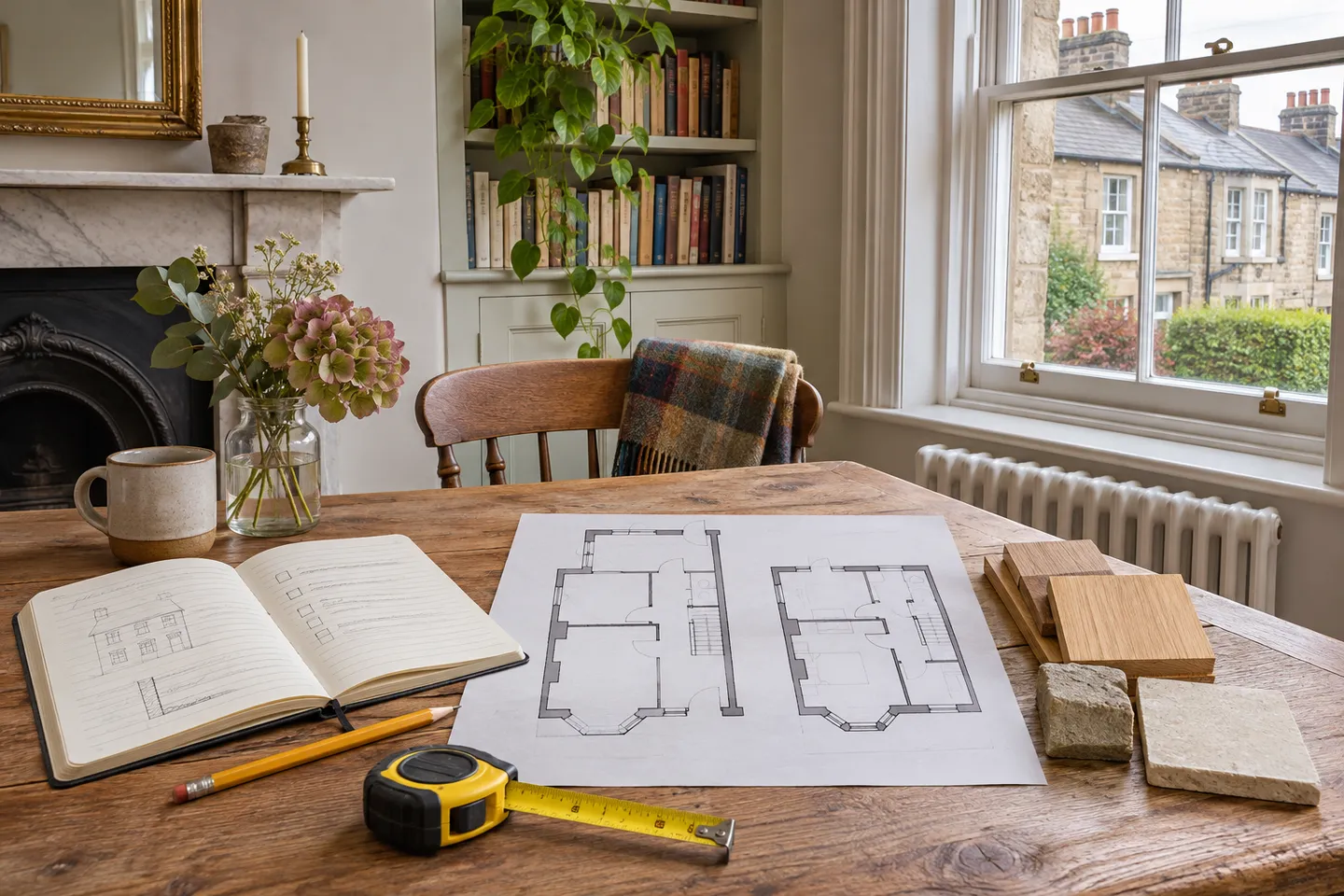
10 / Planning & priorities
Build a practical plan for repairs, comfort and energy use, with a clear brief, coordinated work and checks after completion.
Read the guide ↗A considered approach
Note a meter reading. Check the heating schedule. Find out whether that gap is a draught or necessary ventilation. A clear picture of the problem is a useful first step.
How we put the guides together ↗